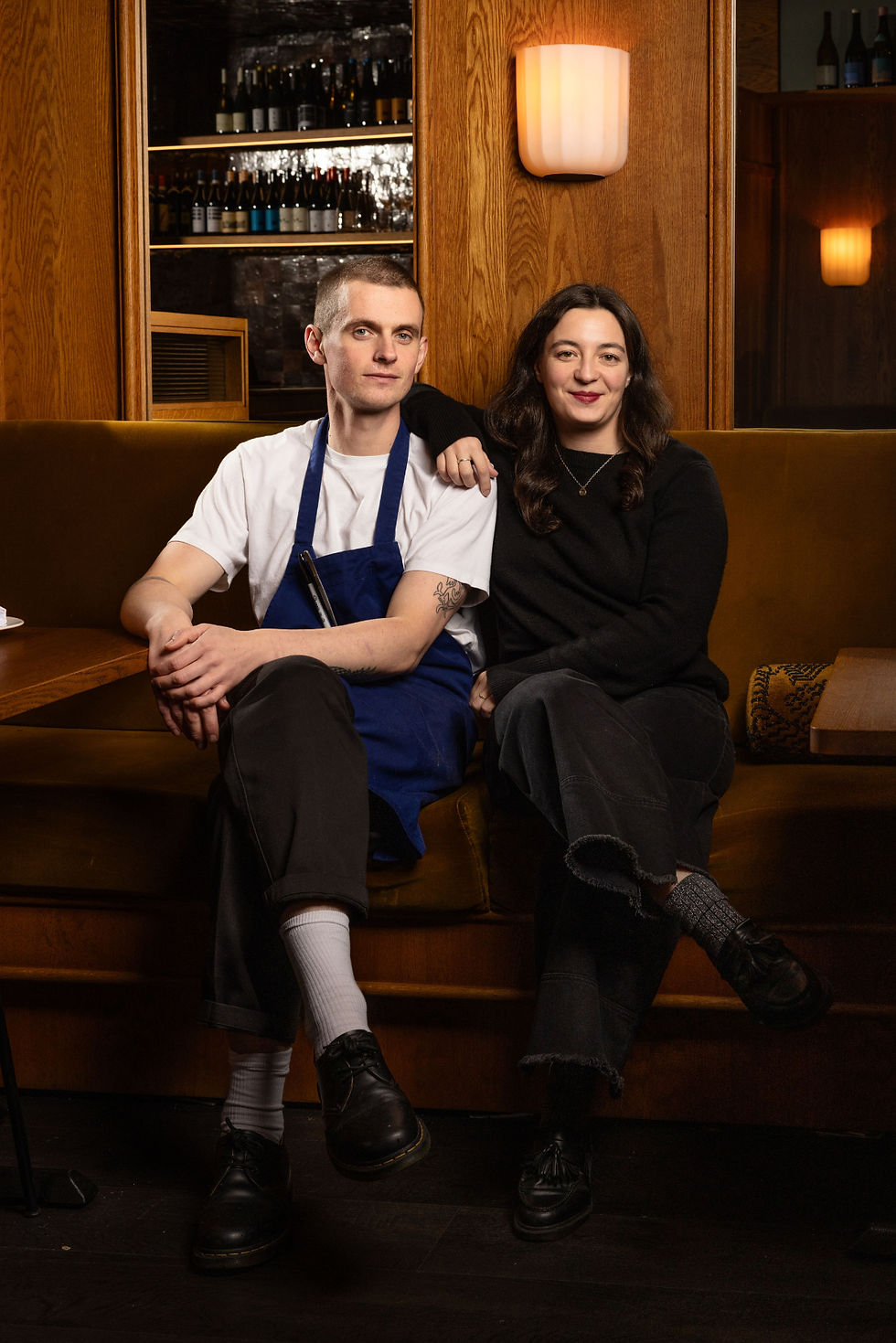
The Dublin Trilogy, Part 3: A conversation with Chef-Owner Kevin Burke, Library Street
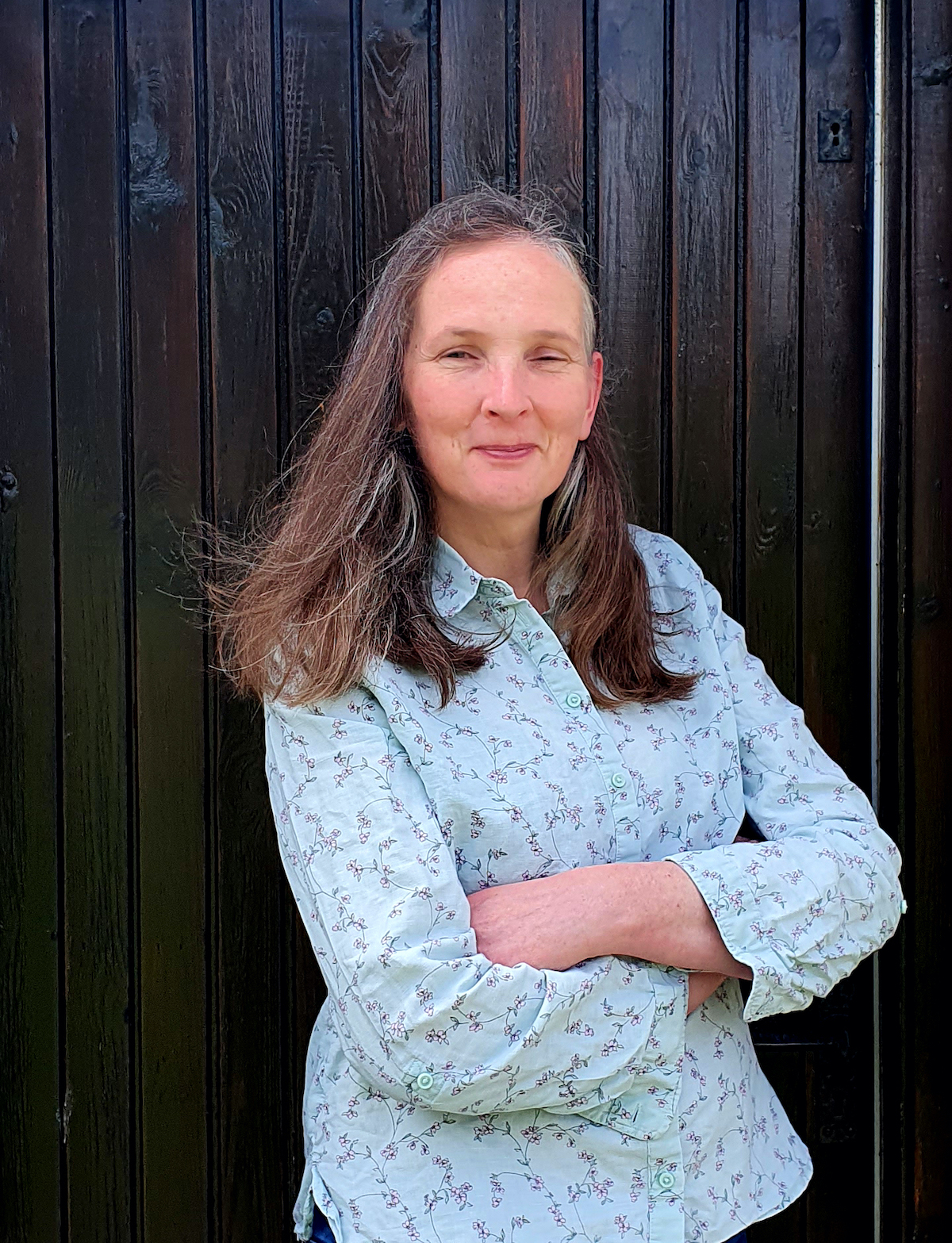
Library Street Chef, Kevin Burke, is a native of Dublin. He studied Culinary Arts at the Dublin Institute of Technology before being offered a position at the renowned Restaurant Patrick Guilbaud; which at the time was Ireland’s only two Michelin starred restaurant. Under the guidance of head chefs Guillaume Lebrun and Kieran Glennon, he developed a passion for French cooking and an appreciation of high-quality produce.
His culinary journey took him to London as sous chef at Jason Atherton’s Michelin starred Pollen Street Social. In 2015, Kevin joined Jun Tanaka’s newly opened restaurant, The Ninth, as Head Chef, where they gained a Michelin star within the first year. He returned to Dublin in 2019 and worked at Allta Restaurant, taking over the reins at Library Street in November 2021.
The Knife caught up with Kevin ahead of the Michelin Guide awards ceremony in Dublin.

Can you describe what Dublin is like?
It is a welcoming city. There is a homely feel to the majority of places you go to, like the restaurants, the pubs, the streets. Dublin has become really vibrant in the last few years, with new restaurants and bars opening, rising like a phoenix from the ashes.
What made you want to come back to Dublin?
I am originally from Dublin, but I lived in London for about eight years. There was never a doubt, I was always coming back. I left because in Dublin at the time, there was no better restaurant than the restaurant that I was working in. I took the easy route out and went to London. I didn't necessarily want to leave Ireland for good or anything like that. But luckily enough, I met my partner over there, Claire, who's Irish, so the two of us were always going to come back.
Did you always want to be a chef?
No, when I was 5, I wanted to be a brain surgeon. I initially trained to be a physiotherapist, but I diverted to be a chef.
From the age of 15, I was obsessed with cooking shows and I was always thinking, could I do that? I used to watch Market Kitchen on TV, with Theo Randall, who was the main man for me. I had zero knowledge in terms of the restaurant scene; Jun Tanaka was on the show once, and I ended up working with him years later. So that was kind of cool.
And are you excited that the awards are coming to Dublin?
It's kind of surreal. It was always a given that it was held in the UK. It’s the biggest sort of single day in the year, calendar-wise, for chefs, and for it to be here is huge. I can't believe it's happening.

Who are you looking forward to seeing at the Michelin awards?
I haven't really thought about which of my friends is coming over. You don't want to contact anyone, even though they probably know by now. Imagine I text my friends and go, are you coming and they say I didn't actually get an email. It has happened to me in the past, and it's a horrible message to get. Even when you get an invite, you'll still doubt it’s happening.
Is Michelin pressure fair?
I would say it's what makes it. If you didn't have that pressure and the horrendousness of having a star or not having one, or getting one or losing one, it wouldn't be the same, but it's a horrible feeling.
In the past, I was somewhere where we won a star, the next year, we didn't receive an email. We were panicking. It turned out that it got lost, but that was horrendous. If you built your whole year or career on winning one and you don't, it can be an absolute tidal wave of sadness.
Michelin stars are everything and nothing. When you get one, it's everything, but throughout the year, you're not really thinking about it; it joins in no part of the conversation. Instead, you're looking at reservations, staff issues, or looking to improve things with the restaurant.
How do you keep your team happy?
It's really simple to keep your staff generally quite content, their environment needs to be correct, and they have to have all the tools to cook. Their workload needs to balance with what they've been rostered to do, and then they need to work the correct hours – 40 to 45 hours a week. And you have to just keep that consistent. If things are getting too hard, you need to pull something back, change the menu, or take a dish off the menu for a day. You need to get some help for a couple of days. It's easy to do, but it's easy to let slip by.
We’ve maintained staff for a good number of years, and we generally have a good relationship with everyone that’s left, and that is as important to me as any sort of recognition.
Have there been times in your life when you haven't been happy in work?
Of course, when I was starting there were some days that I might not be happy, but that's fine. I was okay with that kind of atmosphere. I was able to get through it, but it's something that I didn't want to replicate here.

When did you realise you wanted to have your own restaurant?
You just know when you need to be the person deciding everything. You know when it's the right time. I'm very hands-on in the kitchen. Obviously, there are days when I might be in a meeting, but I'm cooking every day. I have a finger in all the pies!
Tell us more about Library Street.
I think people can sort of treat it any way they want. You can come in and have a casual meal with a friend and a catch-up, or come in for a family celebration or special occasion.
I didn't want to renege on things that are important for me in terms of flavour, service and the quality of the atmosphere. I really strive to make things look like I didn't do too much to them, and I don’t want to try to pretty things up too much.
But you fight with yourself a bit, it's so easy to make a beautiful dish, don't get me wrong, you can add and add and add, but to take away and just have pure flavour on the plate, that's my dream. It takes a hell of a lot of work to get there.
Library Street menu is filled with sharing plates. But are there dishes that you don't want to be shared with anybody?
Oh, to beat me to desserts, you'd better be fast! I love anything seriously chocolatey. I'd have the whole meal as dessert if I could.
Do you still get pleasure from eating food?
Yes. I find it hard to put weight on, and I move about a lot; I can be kind of frantic in my head sometimes. But I love eating.

What would you say is an authentic Dublin flavour?
Coddle is a stew made of sausages, bacon or some rashers, and then some potato and turnip maybe. And it's just simmered in water, with a few vegetables. Some might say it's one of the most unappealing things to see, but it's quintessentially Dublin.
Coddle from the pub, John Kavanagh The Gravediggers. It's gorgeous, especially this time of year.
Has this Dublin food scene changed in the last few years?
Dublin has become seriously cool. There are places that would be considered as good as one and two star restaurants. But they're not, and they never will be. I think a lot of people who moved away and came back have opened new places.
When I left when I was 22, Dublin didn’t have 10% of what it has now. For such a small city, we have real variety, which makes it great.
Any famous diners?
We've had lots of really cool people. We don't make a fuss, Ireland's quite deadly for that. They are just the same as anyone else. We've had Stanley Tucci, Steve Buscemi, Aidan Quinn, who came in once.
What's the plan for the next 5/10 years?
I am really happy with the direction that we've taken the restaurant in so far. I'm happy with the food, with my cooking, and we will just develop from here. Since we started, the constant has been 'change'. We changed the menu a lot, and we’re always looking for new suppliers, so I don't really plan to alter that; I like the constant evolution, that's what I find most exciting about cooking.

Do you see a movement for more relaxed, casual dining in Dublin at the minute?
I do it because that's the style of food I enjoy. There are a few places like Library Street, Kicky’s and Comet that are less formal. That style of bare tables is around now, because people were yearning for it, as before everything was super precise, over-contrived.
But sometimes I can see myself veering off and getting a bit more refined.
Does that mean it's super competitive? Are you always on the lookout to see what people are doing?
We all help each other out and generally, everyone gets on. But there is an underground current of people looking at what you are doing, so there is a bit of a bite there.
Are you naturally competitive?
I am more competitive against myself; I don't really care what anyone else does.
What inspires you?
100% from ingredients and you can sort of push the boundaries, a bit of a technique, but the inspiration can come from anywhere, really.

Tell us about your family.
My wife Claire is a nurse, we met in London, part of an Irish group of friends. I started living near Brick Lane but moved to Bow, the birthplace of grime.
I proposed to Claire, here in the restaurant, which was Allta at the time. Then got married here at the tail end of COVID.
Having that personal connection to the fabric of the building, does it make Library Street extra special?
Yeah, there were a lot of firsts here. I don't like change. I bought my old family home, and I live there with Claire and the kids. They're growing up in the house that I did and will go to the schools that I went to.
Are you an obsessive character?
I can get sort of tunnel vision on a certain thing for quite a while. At the moment it's laminated pastry. I don't get too bogged down on things that I can't control.
I’m cheery most of the time, but I can be serious and focused when the job needs to be done.
Any long-term goals for Library Street?
If it's not broke, don't fix it.