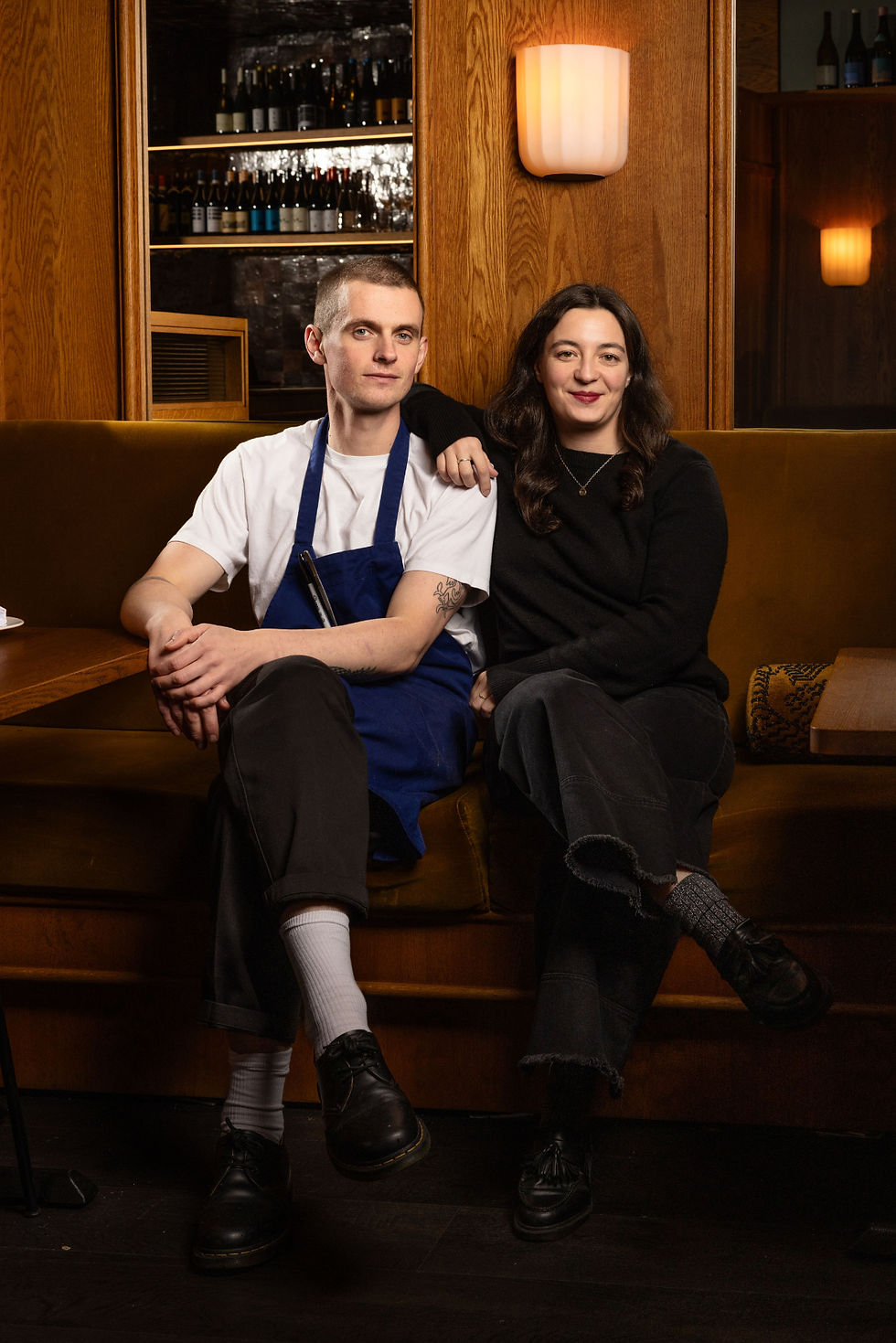
The Dublin Trilogy, Part 1: A conversation with Chef-Patron Mickael Viljanen, Chapter One
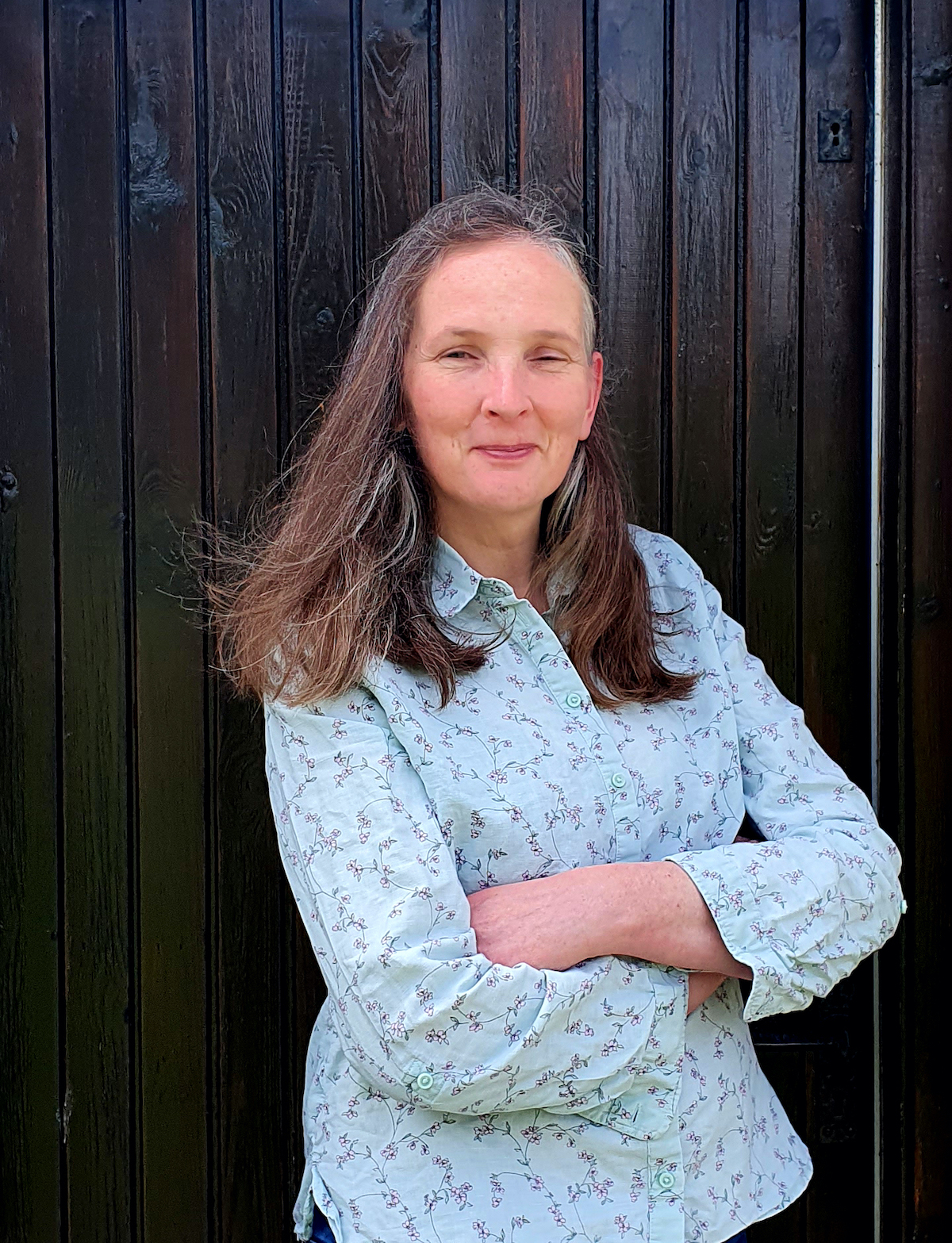
Chef Patron Mickael Viljanen is tipped to be in with a chance of winning three Michelin stars at this year’s Michelin Award ceremony in Dublin. Born in Stockholm, he grew up in Finland, but came to Ireland in 2000 as a teenager, where he worked with Paul Flynn at The Tannery in Waterford before spending five years at Gregans Castle in West Ireland. From there, he joined the Greenhouse in Dublin when it opened in 2012, winning his first Michelin star in 2015, and a second star in 2019. In 2021, he bought into Chapter One, where he was awarded two Michelin stars in February 2022, just seven months after taking over.

How would you describe the city of Dublin?
North and South of the river are very different; the North is more working class, and the South is more upmarket. But Dublin is a very mixed city, which is something I really like about it. It's a manageable-sized city; you can visit Dublin on foot, whereas if you go somewhere like New York or LA, forget about it. Dublin has become very European in the last decade or so. The people have a friendliness and softness to them. There's no coldness which other cities have.
Did you always want to be a chef?
Yes, since I was a kid. No one else in my family was a chef, and I did quite well in school; I didn't have to do this for a living. I could have done a lot of other things, but I had no interest in academic learning.
At the age of 14, I was working weekends as a pot wash in the hotel kitchen during the day, and then working in hotels and nightclubs until three in the morning collecting glasses. Someone would give you a bottle of beer and fags, or you might find some money on the floor at the end of the night. I thought at the time that it was the most glamorous thing in the world.
How did you end up in Dublin?
I moved back to Finland from the North of England, where I had been on a placement. I was sitting in an Irish pub, and an Irish guy was sitting beside me at the bar; he was studying physiotherapy in Finland. He told me I should go to Ireland as there was lots of work, and four days later, I was on a plane from Helsinki. That was 26 years ago, and I was 18. I came here for a year initially, and I was meant to go to Australia the following year, but that never happened.
What was the hardest part about moving to Ireland?
I remember getting used to the language, and my head was trying to take it in while doing 120 covers. That's probably the biggest hitch, but once you get used to understanding, you have to learn how to get sentences out. But everyone was friendly, and there was always a nice, jovial atmosphere.
I always wanted to travel and be independent. I moved into my own apartment when I was 16, for no other reason than I wanted to. I think it has maybe changed me in the sense that I'm probably more Irish now. The Finns are normally slightly introverted and very quiet. Here, it is the complete opposite, so obviously, 26 years will leave its mark on you.
What do you love about the city?
I love the people and the vibe; it's very relaxed.
Tell us more about the current culinary scene in Dublin?
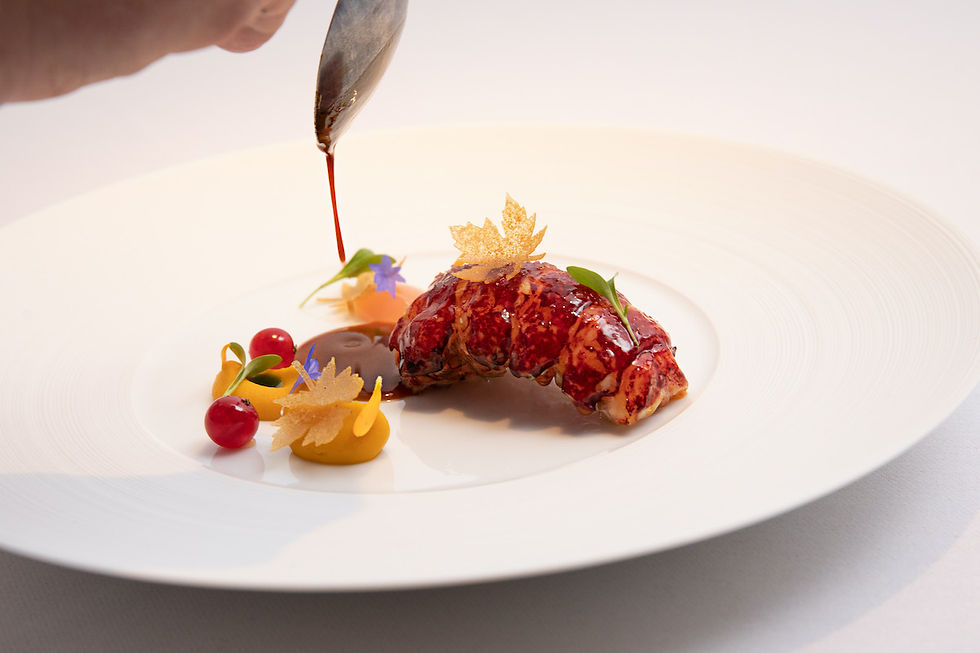
Dublin is now better serviced for restaurants than it has ever been before in the last 15 years; it is so diverse, which is beautiful. There are super Indian places, more casual places, and even Korean.
Is there room for more Dublin restaurant openings?
I think we are at capacity at the top end. The days of opening new 60 to 80-cover top-end restaurants are gone, as staffing them would be borderline impossible. But there's room for more diverse spaces, smaller and more casual, indie places, particularly in suburbs or neighbourhoods.
Are you excited that Michelin awards are coming to Dublin? Who are you looking forward to catching up with?
Yes. Last year in Glasgow was probably the best Michelin awards event I've been to. I think Ireland didn’t clock how big a marketing opportunity it is, and that's a pity.
I'm looking forward to seeing a lot of the lads and lasses that I don't see so often. It will be good to see Mark Donald from Glenturret Lalique and Tom Spenceley from The Ledbury.
Looking forward to partying?
It will be a long weekend; the event is on Monday, but the next day Tuesday, is an early wake-up call for me as I'm back at work again.
What is it about turning out extraordinary plates of food that makes you happy?
I think everybody who works in this industry is a people pleaser to a certain degree. You need to make sure that people leave happier than they came in.
Hard work is made easier when you are doing something that you love; along with that comes a certain creative freedom. I wouldn't do it if I didn't love it. It's one of those jobs that is too hard to do if you don't enjoy it.

You have been called a genius, do you agree with that statement?
No. We're all chefs, we're not ambulance drivers or doctors who are saving lives. We are glorified dinner ladies essentially.
Being a chef is important; you can give people a little glimmer of happiness, but we're only a little cog in a machine. I just try to make people leave happier than they came in, that's what it's all about.
Does cooking at the level you do come with enormous pressure?
I have 44 members of staff in the whole restaurant; that's a lot of mouths to feed and having 2 Michelin stars comes with a sense of responsibility. You need to deliver for your diners, you're not cheap – it's a serious amount of money people are dropping, and that's why I think we are responsible for the customer first and foremost.
I'm here every service, because diners expect to see me; some people might have been saving for a year to come in for a special occasion. There are lots of small moving parts, and it has so many layers to it.
What atmosphere do you create in your kitchen? How many are in the kitchen with you?
There are 15 of us in the kitchen. It's quite chill in the morning, but when service starts, everybody's full on. I'm here every Tuesday to Saturday. I come in maybe 9am or 10am, and then I'm here till the drop, and it's time to go home again.
That’s not the same for the lads, they work shifts.
Is that healthy for your work-life balance?
Is it healthy? I don't know. My eldest daughter works for me on reception, and my younger son works for me as well. And then I have two younger ones who are still in school. If I spent more time at home, then that might not be healthy. My family are all so used to it, that's the way it's always been, but if I need to be somewhere, I will be there.
I think the older I get, the physical labour gets a bit less, as the lads do more of the brunt of the work, but you still need to be here. Don’t get me wrong, I still work hard.
Are you naturally competitive?
I am. I think a lot of people who are serious in the industry are because they are constantly pushing themselves to be better all the time.

How important are accolades and stars?
When you are younger, you need to see those things. But I think accolades and awards are important for business, and they give you visibility on a personal level. They're not the be-all and end-all. I’d be silly to say they're not very important.
Are you ever able to relax, or is work all-consuming?
It is all-consuming, your head never stops. Even on my days off, my head is filled with all the things you need to sort. You can’t do it if you don't enjoy it.
Tell us about winning your first star in 2015.
It was one of those days you'll never forget. There were no award ceremonies at the time, I got a phone call mid-lunch service.
It was a big monkey off my back. I kept trying too hard, everything went wrong, and I overworked things. I think the year it happened, I accepted that instead I was just going to do what I do and not focus on it.
In 2021, I bought into Chapter One as Chef Patron, so it was sink or swim. I had invested everything, so failure wasn't an option. We were literally open for about seven months, and we were given 2 Michelin stars straight away. I remember the relief was just massive. It was amazing.
Obviously, you stress about what happens if this goes wrong: "What the fuck am I going to do? I'm 40 years of age, I have four kids to feed at home." That pressure was immense, but you put that pressure on yourself; nobody else does that, it's all self-inflicted.
What advice would you give chefs who want to take it to the next level?
I think it needs to come organically from inside you; you need to want to be better. And bit by bit make gradual improvements. Don’t do too much, be patient, and keep building your business. Look after your customers and make sure they're happy.
It doesn't mean that you're always right, learn from your mistakes. Don't be just stubborn, you need to look at yourself objectively.
What do you feel are your strengths and weaknesses as a chef?
My weakness is that it's very hard to let go. But I know that if I give myself headspace, things often come much clearer, very quickly.
My strength is that I was never in the business of giving up. I will keep going and going, and you can't fail until you give up. That's the only time you can fail.

What characteristics make a really good chef?
Consistency, creativity. I think you need a good palate and a certain number of organisational skills so that you can organise yourself as well as others, and you need discipline.
If you could start your career again, what would you do differently?
I would have travelled a little bit more; I have only had a chance to travel more in recent years. I would have loved to do small stints in Asia, Japan, United States because it opens your mind to so many different possibilities.
Looking ahead 10 years, how do you envisage your role evolving?
For the next 10 years, I will just be building the business, weathering the economic situation and trying to make the product better year by year.
You can't keep pushing with no aim; we target a few goals annually. I guess the older you get you need to look at things realistically. Eventually, you need to find another version of yourself and bring them along.
What qualities do you look for in young chefs?
Attitude. I'm often not interested in the CVs at all. I get them in to work for a day in the kitchen, and you know somebody’s hungry and wants to do it, you just know. Of course, it's great if they have already worked in good places, as they have a great attitude. But everything can be taught if you want to be taught. It takes the right attitude, a sense of humour, hard work and a bunch of skills, and that’s about it.