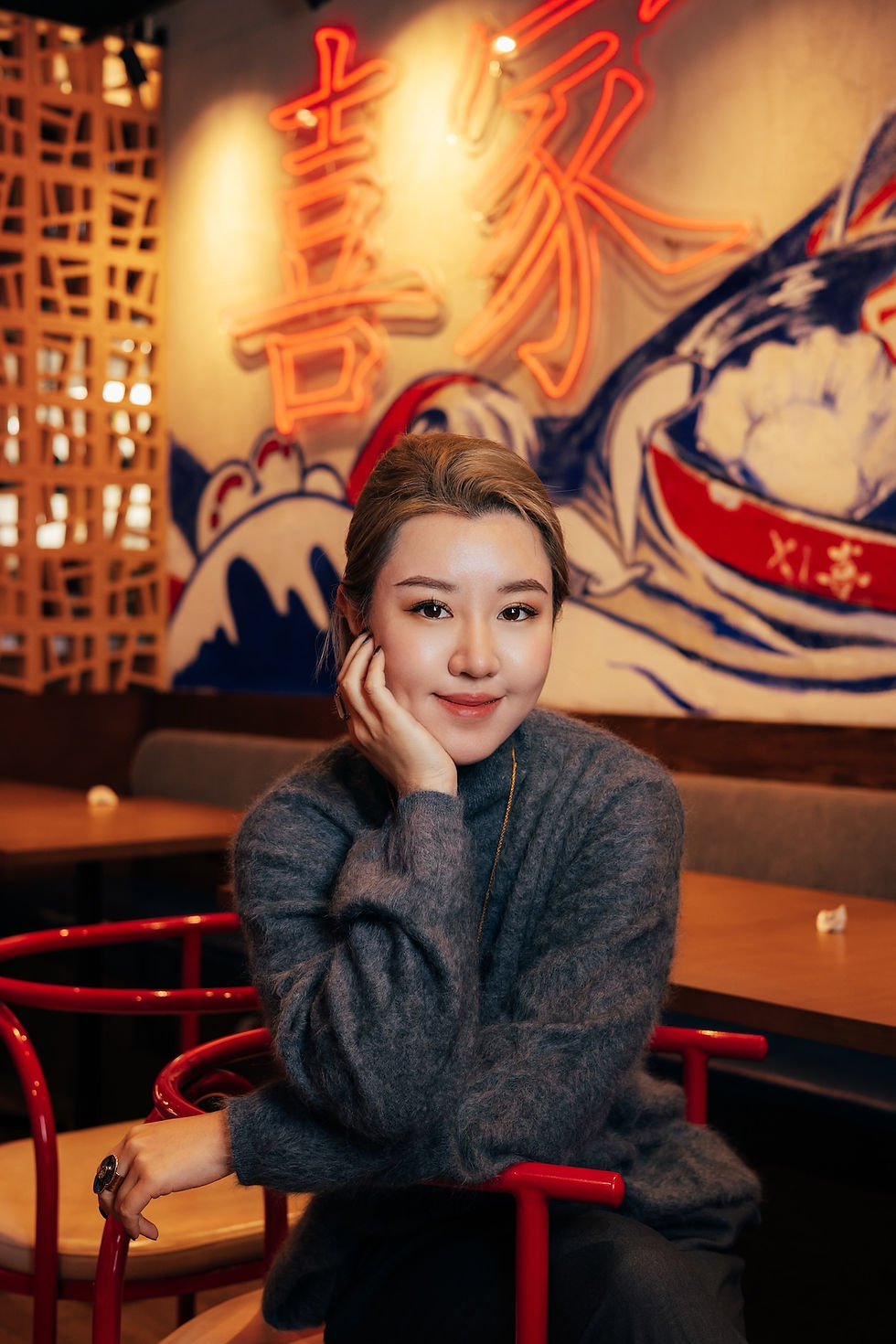
"Sometimes You Just Have to Give People the Opportunity": A conversation with Owner / Founder Xiaoxiao Wang, Noodle & Beer

From century egg and raw garlic noodles to the possibility of pig brain making a future appearance, Xiaoxiao Wang isn’t afraid to challenge London diners. As founder of Noodle & Beer, she has spent the past six years putting bold Sichuan flavours firmly on the capital’s culinary map.
With restaurants in Spitalfields and Chinatown, Xiaoxiao talks to The Knife about pushing diners beyond their comfort zones, the growing appetite for Chinese noodles in Britain, balancing motherhood with a growing restaurant brand, and why Noodle & Beer will never become a copy-and-paste concept.

When you see British diners describing flavours you're so familiar with as "adventurous", does that amuse you, tell you there is still work to do, or something else entirely?
When I hear British diners say "adventurous", sometimes it’s not always a good sign! Especially when we introduce new flavours or ingredients like chicken offal or century eggs. They might say it because they don’t really want to order it. So I normally tell them, "Just give it a try and you might enjoy it."
In a restaurant industry obsessed with pleasing everyone, how comfortable are you with putting something on the menu that you know some customers genuinely won't enjoy?
We’ve done this a few times – things like pork tripe soup or fermented spicy and sour broths. This season we’re doing century egg with raw garlic, which is probably not the most romantic combination! I only put dishes on the seasonal menu that I genuinely enjoy, but I also know they might be challenging or feel too foreign to some British customers.
What's the biggest misconception you think British diners still have about Sichuan food?
Generally, I’m thrilled to see how popular Sichuan food has become. It’s great to see more people knowing the name and discovering the cuisine. But Sichuan food isn’t always street food. It can also be presented beautifully and luxuriously.

Where, for you, is the line between adapting Sichuan food to London and changing it so much that it stops feeling Sichuan at all?
Our restaurant isn’t about guarding Sichuan culinary traditions. For us, it’s about making dishes that taste good while keeping them packed with flavour.
Is there a Sichuan ingredient or dish that you still haven't dared put in front of London diners, and what would it take for you to do it?
Hot-pot-style pig brain noodles. The texture of pig brain is a little like silken tofu, but much denser. I’m still not sure whether people would actually order it!
When did you first realise Noodle & Beer had gone from being simply your restaurant to becoming something people felt fiercely attached to?
We’ve been open for six years at our Spitalfields site and are going into our seventh this year. Our second Chinatown site opened last year, 2025. We were one of the first few restaurants to put Sichuan noodles at the centre of what we do in London. Now it’s great to see more and more noodle bars opening, and each one doing so well.
For me, it’s exciting to see Chinese noodles becoming an integral part of the British dining scene, alongside Japanese ramen and Italian pasta.
Opening in Chinatown must have carried a different pressure. You're no longer introducing Sichuan food somewhere unexpected; you're surrounded by restaurants representing different generations and regions of Chinese cooking. Did you feel you had more to prove there?
London Chinatown is a real melting pot of regional Chinese cuisines. You have Cantonese food, Northern Chinese food, hot pot and so much more. For us, being there is a wonderful addition to that culinary offering rather than something we need to prove.
You described Chinatown as a key step on the road to expanding Noodle & Beer further. Now you've had more than a year to live with two restaurants, has expansion made you more ambitious or more protective of what you've already built?
I had my first baby while our Chinatown site was in the final stages of construction, so the past year has really been about learning how to harmonise work and family life. And as the brand and our food have become more popular, I’ve become more aware of how important the key elements are – the quality of the food, the vibe and the overall experience. Those are essential to the longevity of the brand.
The Chinatown restaurant serves food until 4am on weekends. Sichuan food has always had this wonderfully social, late-night side to it, how much of that atmosphere from your own upbringing were you trying to recreate rather than simply opening another London restaurant?
Social and fun are integral to our restaurants. At Spitalfields, the first thing you notice when you walk in is the long communal dining tables on either side. In Chinatown, downstairs is a dark, sexy, moody lounge bar – somewhere to linger a little longer over noodle slurping and cocktail sipping.

There's an interesting contradiction in Noodle & Beer: the name and concept sound incredibly simple, yet Sichuan cooking relies on layers of chilli, numbing spice, fermentation, acidity, aromatics and texture. Was that simplicity always part of the point?
Yes. Our menus are intentionally short – less confusion – and you can focus on the dishes we really want you to try.
If Noodle & Beer keeps expanding, what's the one thing you'd refuse to dilute, even if doing so would make the business easier to scale?
I hate standardised designs. We want each location to feel like Noodle & Beer, but the menu and interior design should always complement its surroundings. We don’t want to copy and paste the same restaurant everywhere.
You've now given London "Extremely Hot" noodles and a dish built around century egg and raw garlic. So what does you consider too adventurous? What's the dish you love that even you suspect London might not be ready for yet?
We put anything we think is worth trying on the seasonal menu. The century egg with raw garlic is already a bit of a push for our local customers! But at the same time, they’re full of umami and punchy flavour. I think sometimes you just have to give people the opportunity to try something they wouldn’t normally order.