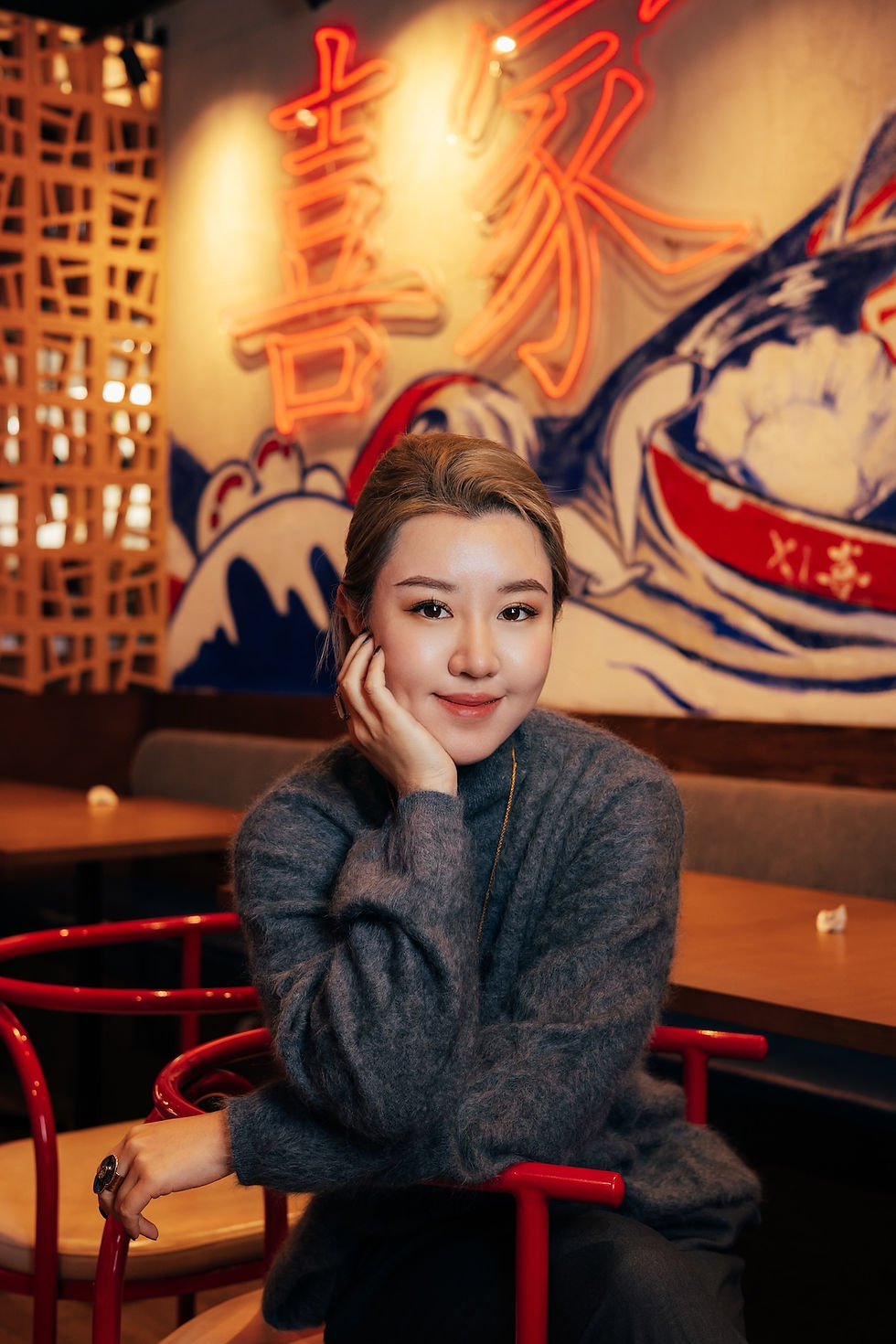
Bridging Cultures, Building Business: A conversation with Director of Public Affairs Kitty Lu, HungryPanda

In an era defined by rising geopolitical tension and increasingly complex regulatory environments, launching a Chinese food or beverage brand in the UK or Europe can feel like navigating a minefield. Enter HungryPanda – the London-headquartered platform that has quietly redefined what cross-border expansion can look like. Founded in 2017 to fill a simple but profound need for authentic Chinese food abroad, HungryPanda today connects thousands of restaurants and brands with Chinese diasporas, students, and curious food lovers across dozens of cities worldwide.
In this exclusive interview, Director of Public Affairs Kitty Lu explains how the company bridges the cultural and commercial gap, turning unfamiliar foreign markets into fertile ground for Chinese cuisine and beverage brands. From handling complex logistics and regulatory compliance to designing culturally relevant marketing that resonates across continents, HungryPanda is helping brands like Haidilao, HEYTEA and many others find success far from home.
If you’ve ever wondered how Chinese hotpot, milk-tea chains, or regional snack houses make the leap from Shanghai to London, this conversation will take you behind the scenes.

From your perspective, what makes the company uniquely positioned to help Chinese brands enter these highly competitive markets?
HungryPanda operates in a very niche market, focusing on the overseas Chinese community. Since its founding in 2017, we’ve been actively helping Chinese brands enter major foreign markets, including the US, UK and Australia. These three markets are typically the first destinations brands target, and HungryPanda’s presence in each gives valuable experience and insights to support successful international expansion.
Unlike mainstream platforms, HungryPanda specialises in the unique needs of authentic Chinese food, from preparation and packaging to delivery. We help brands adapt locally, translating names, refining menus, sourcing ingredients, and navigating regulations, while leveraging data on demographics, preferences, and delivery patterns to optimise locations, pricing, and marketing. With our international presence and proven track record, HungryPanda serves as both a cultural ambassador and logistical partner.
What are some of the biggest challenges Chinese food and beverage brands face when trying to establish themselves in the UK and Europe?
There are four big ones we see all the time:
Supply Chain & Ingredients: Sourcing authentic ingredients, such as specific types of tea leaves or cuts of meat for hot pot, can be challenging in the UK. Without reliable local suppliers, maintaining consistent quality and flavour becomes difficult.
Regulation & Compliance: The UK has its own food safety regulations, labelling requirements, and licensing rules. Misunderstanding these standards can lead to unexpected costs, delays, or even fines.
Customer Preferences: Dishes that are popular in China may not always appeal to UK audiences. Brands need to adapt menus, portion sizes, and pricing to match British tastes and dining habits, especially for delivery.
Competition & Location: Many segments, like bubble tea or casual Chinese dining, are already competitive in major UK cities. Choosing the wrong location can hinder growth, making strategic site selection crucial.
How do you ensure that the brands you support don’t just enter new markets commercially, but also resonate authentically with local communities?
Chinese restaurants, when they come to the UK, they're not here to test out the waters. They're coming with a fleshed out strategy. Brands often start by opening a pilot store in major cities like London, where there’s a sizable local population and a strong Chinese community. This allows them to gather early feedback on products, service, and customer preferences. We help them localise thoughtfully, balancing authenticity with accessibility. For example, some tea and dining brands adapt their branding, packaging, or even product names so that they resonate with British audiences while preserving their cultural roots.
We also guide brands through practical operational challenges, like core ingredients that will definitely need to be sourced overseas to maintain authentic flavours. Navigating UK permitting and labour regulations, and hiring staff who understand both Chinese culinary traditions and local service expectations. This ensures that the dining experience feels genuine rather than a superficial import.
We encourage a gradual, feedback-driven expansion. Brands often refine their offerings based on local customer preferences, gradually scaling up while maintaining the authenticity that originally defined them. This approach allows them not only to enter the market commercially but also to build genuine connections with diverse local communities, creating sustainable growth and cross-cultural engagement.

Your platform connects with international students, the Asian diaspora, and local food enthusiasts. How do these three audiences differ in what they’re seeking, and how does HungryPanda tailor its approach to engage each group effectively?
International Students:
Food is about much more than just eating, it’s about comfort and connection. For students, many crave familiar tastes that remind them of home, whether it’s a favourite dish or an ingredient that’s hard to find locally.
The platform offers multilingual support and familiar payment methods like Alipay or WeChat Pay, making the experience feel easy and familiar. Also, these students often face language barriers and uncertainty about local services, especially when they’ve just arrived in a new country. HungryPanda fills that gap, providing not just food, but a sense of belonging.
Asian Diaspora
For them, it's about staying connected to their cultural roots. Many in this community take pride in their heritage and love celebrating cultural festivals or sharing traditional dishes with family and friends. HungryPanda leans into that by highlighting authentic regional specialties.
The app features seasonal offerings tied to major festivals like Lunar New Year or Mid-Autumn, along with curated menus and grocery items familiar with home. With an emphasis on authenticity, quality, and presentation, HungryPanda helps the diaspora celebrate who they are.
Local Food Enthusiasts
HungryPanda is all about exploration and curiosity. These users want to "taste the real deal" and discover dishes hard to find elsewhere. The platform makes it fun and shareable with seasonal specials, festival menus, and introductory offers that make it easy and exciting to try something new.
Compliance and logistics are often stumbling blocks for international businesses. How does HungryPanda simplify these processes for Chinese brands, and what role does trust play in overcoming regulatory barriers?
For restaurants and food brands entering the UK market, there are multiple layers of regulatory hurdles, from health inspections and zoning permits to liquor licenses and environmental checks. These processes can take six to 12 months or longer, compared to China’s faster, more streamlined process.
Labour costs are significantly higher in the UK, and finding experienced staff who understand Chinese cuisine and culture can be difficult. Language and cultural gaps often require extra training, and some core kitchen staff may need to be brought from Asia to maintain authenticity.
Ingredient sourcing is another hurdle. While basic items like produce or meat can be found locally, some core ingredients essential to authentic Chinese flavours, like specific Sichuan peppercorns, must be sourced from China, adding complexity and cost.
Many brands rely on HungryPanda’s expertise because navigating unfamiliar regulations, labour markets, and cultural expectations can be overwhelming. By providing reliable guidance, connecting them to experienced staff, and offering operational support, we build the confidence necessary for brands to overcome regulatory barriers and scale successfully. Essentially, we act as a trusted partner who ensures compliance, smooth logistics, and cultural alignment, so brands can focus on creating authentic experiences for their new markets.
Marketing plays a huge part in creating buzz. Can you share an example where culturally relevant campaigns made a tangible difference in a brand’s UK or European launch?
One example is Cha Halo (茶话弄), which launched in London in mid-2025. As a new entrant to the UK market, the brand needed support in finding local partners, navigating the supply chain, and adapting to the preferences of overseas consumers. Through our platform’s existing supplier networks in the UK, we were able to help them resolve some of their early logistical challenges.
When Cha Halo opened its first London store in July, we also worked closely with them to design a pre-launch campaign that combined online pre-sales with offline promotion, based on insights we’ve gathered from previous food and beverage launches. This collaborative approach helped them build strong initial awareness and achieve a smooth soft opening.
For us, the goal is not to take the lead for the brand, but to act as a partner, sharing our experience, data and community insights so that they can establish themselves more quickly and effectively in a new market.

Many of the brands you work with, from Haidilao to HEYTEA, already have strong reputations in Asia. How do you balance preserving their brand identity with adapting to European tastes and expectations?
Maintaining authenticity and localisation is key. The goal isn’t just to serve overseas Chinese customers, that’s too small a market. They all come with a clear strategy to reach the mass market, to make sure everyone can enjoy their product. So what they do is preserve the core identity, the authentic flavours, the brand culture, the packaging that reflects tradition, but at the same time, they listen carefully to local feedback and make small adjustments. For example, with tea brands, the flavour profiles have shifted over time, from classic pearl milk tea to fruit teas and lighter milk teas, because that’s what younger, more global consumers are looking for.
The same goes for restaurants. Chinese cuisine is famous for authenticity, so a lot of brands will bring in their own chefs or source special ingredients to make sure the flavour is right. But they’re also aware that European consumers may expect different service styles or lighter flavours, so they adapt gradually.
In short, the identity is preserved through the core product and brand story, but the expansion strategy is always about localising without losing authenticity.
Food delivery has grown increasingly competitive with players like Deliveroo and Uber Eats. What differentiates HungryPanda’s model, and how do you carve out space in such a crowded landscape?
In a $150 billion food delivery market dominated by giants like Uber Eats and Deliveroo, HungryPanda is proving that smaller, sharper, and hyper-focused can win. By narrowing our scope to authentic Asian restaurants and the communities who crave them, we have built deep customer loyalty and sustainable growth, without massive ad budgets or sprawling menus. The company has grown to profitability while expanding into cities across Europe and operating in 10 countries. Our expansion has allowed us to develop loyal partnerships with small business owners through in-person, culturally familiar outreach. And maintained 30% annual growth by focusing on a single cuisine category.
It’s a simple formula: focus, authenticity, and community, and it’s proving that you don’t need to be the biggest to be the best.
HungryPanda itself was born out of a founder’s lived experience as a student craving authentic tastes of home. How does that origin story continue to shape the company’s mission today?
When Founder, Eric Liu left China to study at the University of Nottingham, he didn’t expect ordering dinner to be one of his biggest challenges. The local "Chinese" food was often a pale imitation of what he knew, menus were in English only, and translations left much to the imagination. That everyday frustration sparked a big idea, a food delivery service made for students like him with authentic menus, real flavours, and an experience that felt like home.
HungryPanda continues to connect international students and Asian diaspora communities in the UK with authentic restaurants in their cities. Beyond convenience, it’s about creating connections and sharing meals that taste like home, even when you’re far from it.
Today, Chinese student numbers remain robust and visa grants continue to represent a significant portion of the total. While challenges like language barriers and cultural differences still exist, the UK remains a popular destination for Chinese students, making HungryPanda’s mission more important than ever.

Beyond restaurants, do you see HungryPanda playing a larger role in the cultural exchange between Asia and Europe? For example, could the platform become a gateway for lifestyle brands or broader cultural experiences?
Absolutely. Meal delivery will always remain at the heart of HungryPanda, but there is a natural extension into adjacent areas like Asian groceries, snacks, household items, and lifestyle products. We’ve already begun exploring this with our PandaFresh service, which has performed very well in the UK.
Sustainability and ethical supply chains are increasingly important to European consumers. How does HungryPanda support its partner brands in meeting these expectations while maintaining authenticity?
Yes, we recognise that sustainability and ethical sourcing are increasingly top-of-mind for European consumers, and supporting our partner brands in meeting these expectations is a key part of our approach. We work closely with restaurants and suppliers to ensure that ingredients are sourced responsibly, from high-quality meats and produce to sustainable packaging solutions designed for food delivery.
At the same time, we balance these efforts with the need to preserve authenticity. For example, we help brands maintain traditional recipes and cooking methods while identifying supply chains that meet European regulatory and ethical standards. We also provide guidance on packaging innovations that reduce waste and keep food fresh during delivery, ensuring a high-quality customer experience.
What's next for HungryPanda in Europe? Are there particular markets, cuisines, or brand categories you’re especially excited about expanding into over the next few years?
We'll explore further expansion in Europe, North America, and Asia-Pacific, where the overseas Chinese communities continue to grow.
We’ve been expanding beyond traditional meal delivery through our PandaFresh business. These cover a wide range of discounted service options, from dining-in offers and beauty services to home cleaning and other everyday lifestyle needs. It’s an important step for us to build a more holistic ecosystem around our users' daily lives, and the positive uptake in these markets shows that our customers really value the added convenience and affordability. It’s very much part of our long-term strategy.