2026 Spotlight Awards: A Conversation with Founder Lorraine Copes, Be Inclusive Hospitality

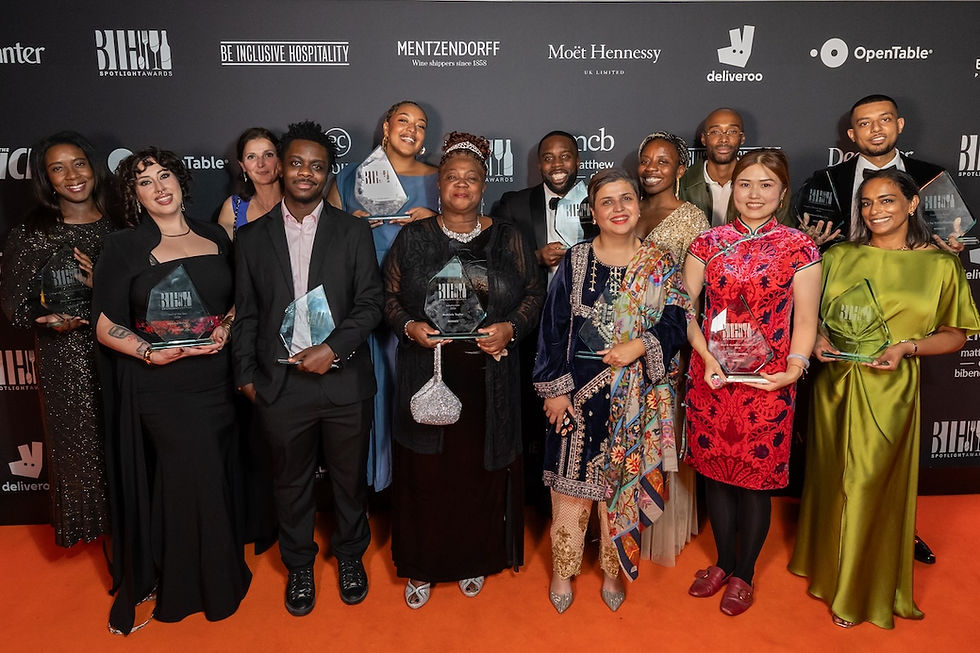
From Nigerian tapas to Caribbean fine dining, the 2026 Be Inclusive Hospitality Spotlight Awards celebrated the people expanding the possibilities of UK food and drink. For founder and CEO Lorraine Copes, recognising Black and ethnic minority talent is also about what happens after the applause: who gets an opportunity, whose business receives support and who can see a future in hospitality.
With more than two decades of experience, including leadership roles at Gordon Ramsay Restaurants, Shake Shack and The Wolseley Group, Lorraine understands the industry from the boardroom to the restaurant floor. Following the fifth annual Spotlight Awards and the launch of BIH’s Better Hospitality report, she speaks to The Knife about the problem with "authenticity", the power of a second chance and why a better workplace starts with listening.
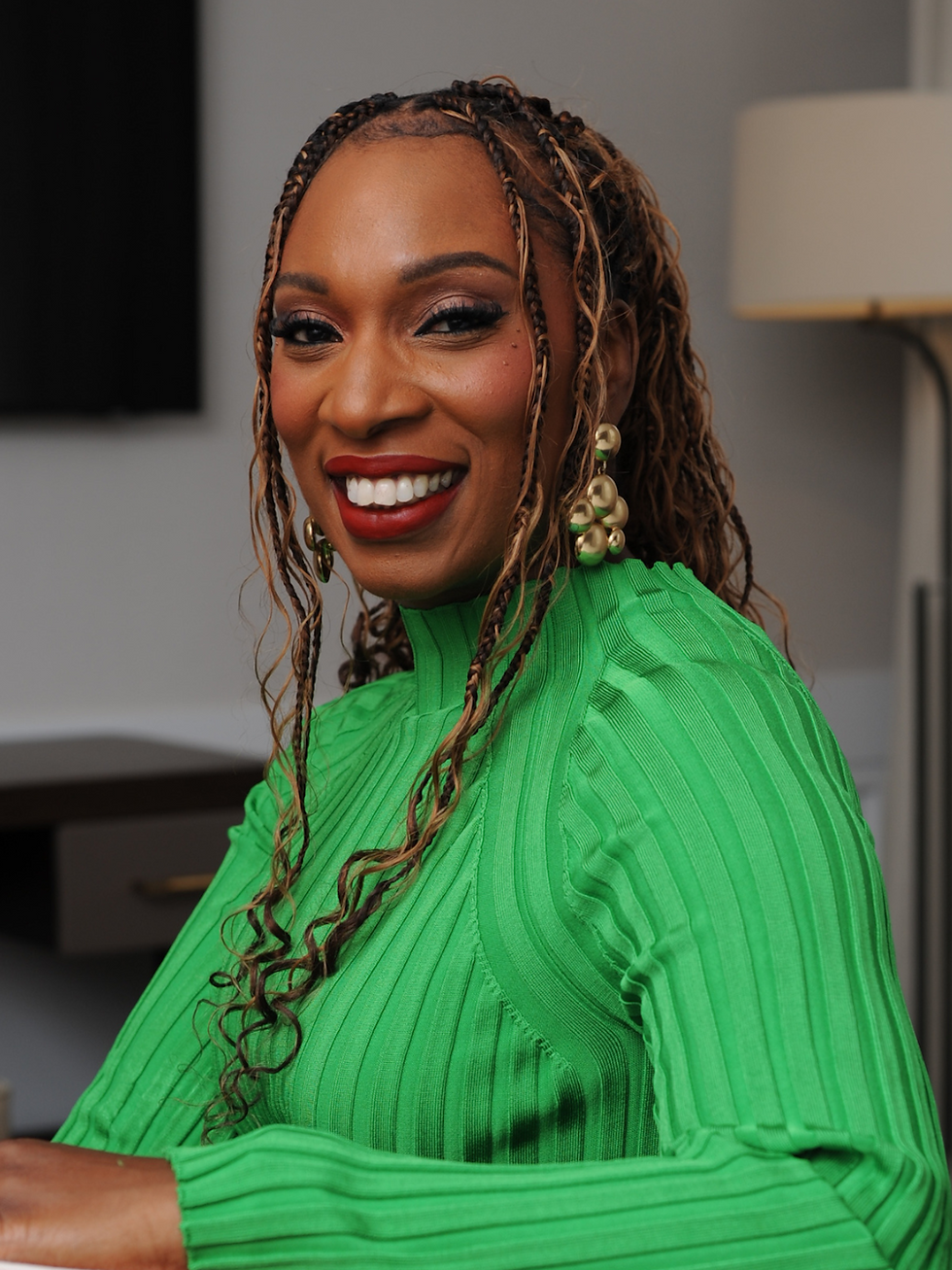
Congratulations on five years of the Spotlight Awards, what was the standout moment from this year’s celebrations?
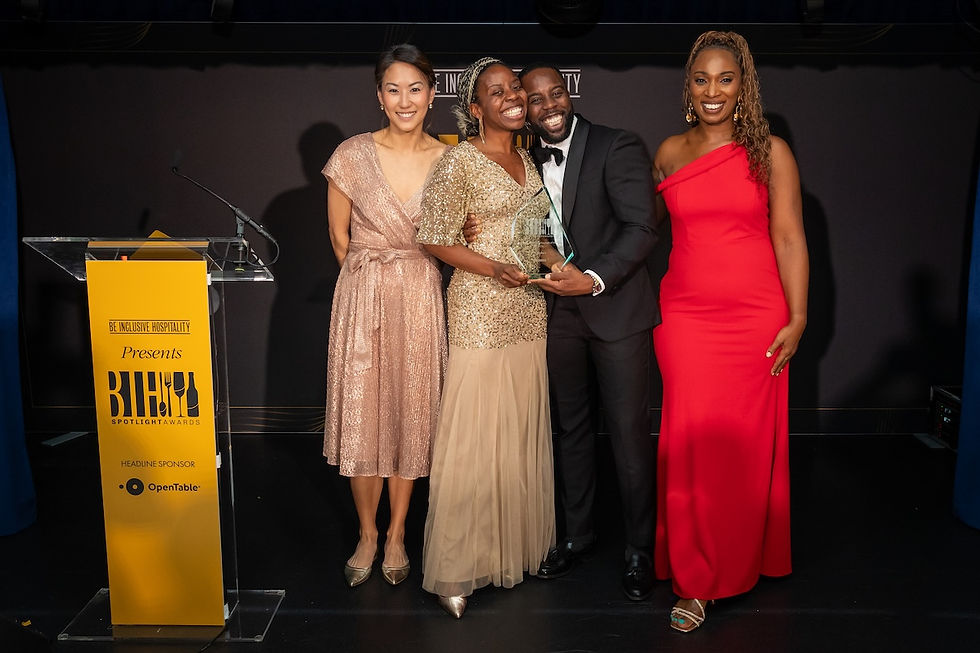
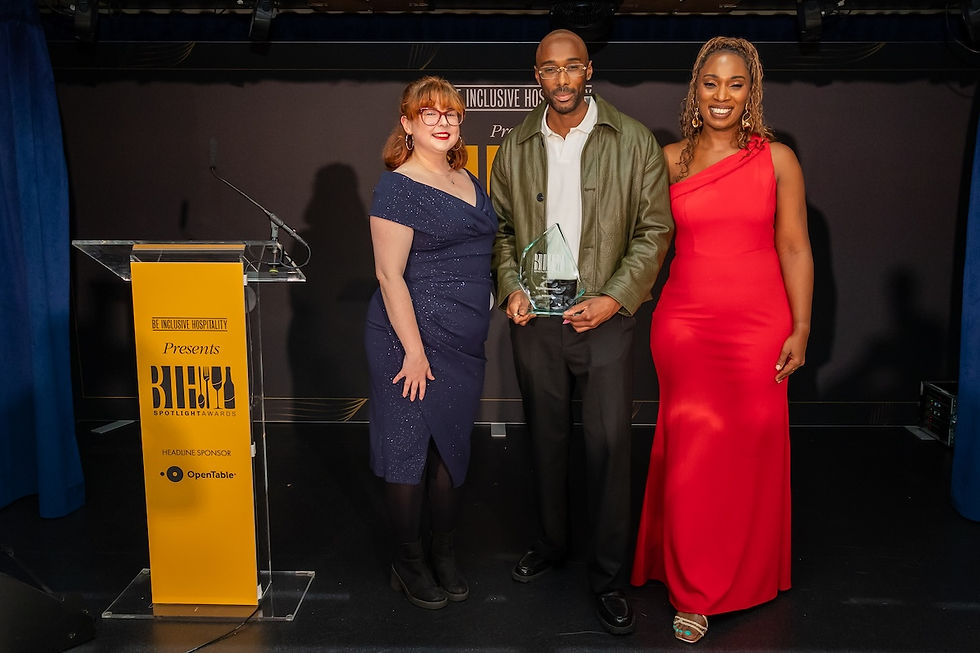
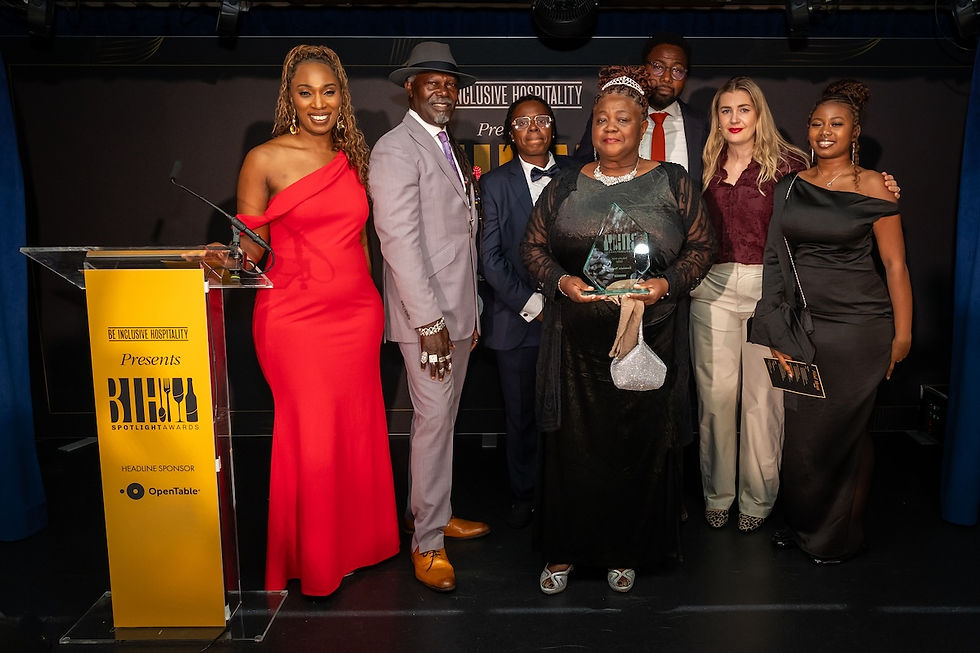
It’s always really hard to name one, but there were a lot of tears in the room. Our awards are always quite emotional, but this year we recognised the late chef Dom Taylor with the Icon Award, and his mum and family came along.
That was particularly touching because, despite still grieving the loss of her son, she used it as a moment to talk about the value of helping each other move forward. She was really inspiring.
The awards are a highlight every year because we do so many different types of work, and this is the one time we bring together our community, the operators we work with and our brand sponsors in one room. It’s a really great celebration of community.
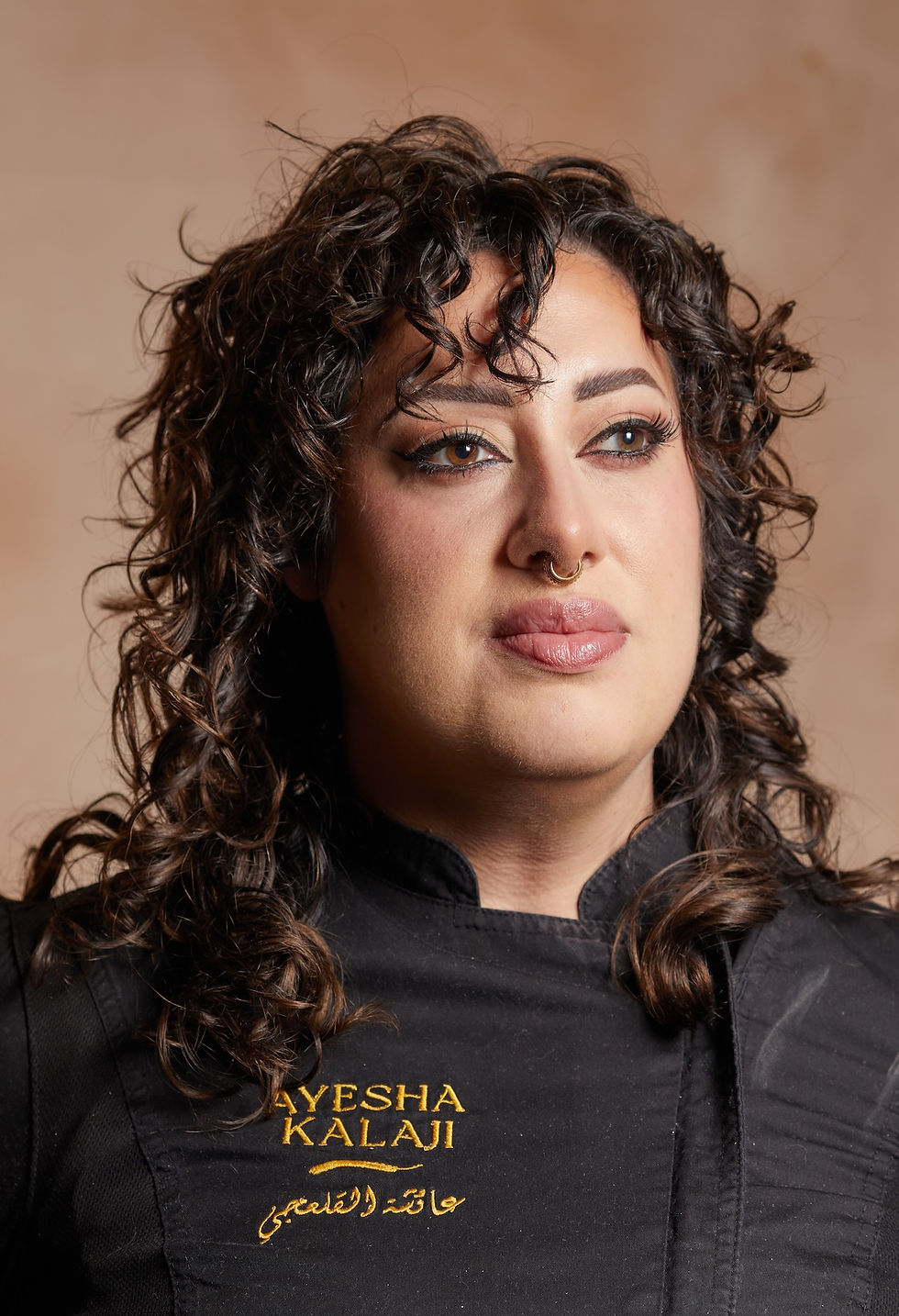
Ayesha Kalaji won Chef of the Year for Queen of Cups in Glastonbury. What do restaurants outside the big cities bring that the industry sometimes misses?
I often find businesses outside the big cities are hospitality in its purest form. We know how challenging hospitality can be in big cities, especially for independents, with rents, rates and all those costs.
While it’s expensive all over the country, slightly less pressure can give people the opportunity to be creative and pour love into hospitality.
Using Ayesha as an example, she’s Jordanian and Welsh, and her menu stands out in a way it might not as much somewhere like London or Birmingham. I love travelling outside the city to eat because the experience is so different.
Chuku’s won People’s Choice Restaurant of the Year with its Nigerian tapas concept. Is there a fine line between creativity and authenticity?
I hate the word "authentic". I’m not a chef, but I’ve worked closely with chefs for more than 20 years through my background in procurement, and I love the fact that they’re creative.
Younger generations have new ideas. They try different types of food and want to bring what they’ve experienced and enjoyed together with food from their homelands or their parents' homelands.
The authenticity question often comes up around African food. An Asian colleague told me that, 20 or 30 years ago, fine-dining Indian restaurants faced the same questions, especially from within their own communities.
But food is about creativity, innovation, evolving and moving things forward. Chuku’s uses the ingredients and methods of traditional Nigerian cooking in a tapas format. I love tapas; it’s my favourite way to eat. That approach can bring in new audiences.
I’m not Nigerian, but whether people call it authentic or not, I think the food is fantastic and it’s a great concept.
Nathaniel Mortley won two awards this year. Hospitality often calls itself an industry of second chances, what makes it good at giving somebody one?
People can make mistakes earlier in their lives, and it takes just one person to give you an opportunity to step into a world you’ve never experienced before. In hospitality, that’s often possible without any previous experience. With time, you build experience, confidence and an understanding of what’s possible.
Natty sat on a panel with us this week [at the time of interview] and spoke about making mistakes in his past. He’s a lovely guy and he’s quite funny, but he is so focused on his mission: to earn a Michelin star for his Caribbean cooking and move it into spaces it hasn’t previously occupied in this country.
That has all been born out of someone, at some point, giving him a chance.
Rising Star winner Dijön Bascombe has built his business around coeliac-safe food. What can other restaurants learn from making dietary requirements the starting point?
I know from my procurement days that, if you have a group of diners and one person has a dietary requirement, that person can determine where the whole group goes to eat. You’re going to choose somewhere that person can eat too.
I completely understand the challenges of catering for different dietary requirements. But if businesses want to survive and thrive in such a difficult trading period, it has to be a consideration.
Dijön has been recognised because he’s ensuring people with different dietary needs can have a great pizza, a great product. Whether it’s food choices or no- and low-alcohol drinks, catering for different needs makes you more likely to attract a wider range of people.
Marverine Cole and Emmanuel Mireku won the beverage and wine awards. What needs to change for everyone to feel they belong at a tasting or industry event?
Belonging is an interesting word because it’s a feeling. Alienation can come from being the only one.
In my previous roles, I was responsible for buying wine. I’d go to trade tastings and wine events where there was no one in the room who looked like me. When I approached stands, unless I announced where I was from, there could be that sense of: "Who is she, and what is she doing here?" Traditionally, the industry has looked a certain way.
But wine and beer are changing. I know so many people from different backgrounds who distribute wine, educate people about it and talk about it. Diversity is increasing.
What needs to happen, and is happening, is that big businesses, including distributors and educators, open their minds to who the industry could be for in the future. We work with wine suppliers who are really encouraging of that diversity.
The Icon Award honoured Dom Taylor’s contribution to Caribbean fine dining. What would you like the industry to carry forward from his approach?
Open-mindedness. His residency at The Langham was extended because of demand, and that speaks loudly about the appetite for this food.
I know independent restaurant founders who face challenges even securing property in central London. Landlords sometimes assume certain concepts won’t work because there aren’t already lots of examples of them working there.
It’s about being open enough to recognise the demand. I have every faith in consumers up and down the country because, time and again, they show a willingness to eat good food, irrespective of who’s cooking it or where it comes from.
What did your board-level experience teach you about who gets noticed and promoted in hospitality, and who gets missed?
I had great times working for those businesses, but in those executive leadership rooms there was no one who looked like me. That’s really why I started Be Inclusive Hospitality.
Those experiences reinforced that hospitality is a great industry. It has the ingredients to be the best because we’re already so diverse, across gender, race, sexuality and disability. There’s a great foundation, but there’s work to do to make it better.
A lot of our work is about training and supporting leaders within multi-site operators so they can be better and more inclusive. Many businesses are on that journey. They’re doing the work and want the industry to be the best it can be, so I’m filled with confidence.
In the Better Hospitality survey, around one in five ethnic minority respondents felt their identity had affected their progression. How would you test a restaurant’s claim that it promotes on talent?
It always starts with data. One of the six priorities we’ve developed through Better Hospitality is data collection.
Understanding the demographics and protected characteristics of your workforce is a starting point, then you layer that with people’s experiences. How do they experience your workplace? Do they see themselves moving forward?
Exit interviews are another indicator. I appreciate that, by then, the horse has bolted and the person is leaving. But understanding who is leaving, why they’re leaving and their protected characteristics can give you real insight into what’s working and what isn’t.
For an independent restaurateur juggling rising costs, staffing issues and busy service, what is one useful change from the report they could put into practice this week?
It’s difficult to talk about quick wins in inclusion because belonging is a feeling, and that comes with time. But one thing I would suggest immediately is ensuring there’s a way for teams to feed back how they’re feeling, possibly anonymously.
If you build a culture of communication and feedback, you create a continuous loop: your team tells you how they feel, and you can address it.
The industry is under all those pressures, but without your employees there is no business. Continually replacing people costs money. Let’s try to avoid that and make sure the people you have are happy. How do you make them happier? By listening.
Your report includes Flat Iron’s observation that more people raising concerns can signal greater trust. How can a head chef or owner make it easier for junior staff to speak honestly?
Provide multiple channels for feedback. Some people are comfortable having a one-to-one conversation with their line manager about something they’re unhappy with. Others aren’t.
There could be a general inbox or a QR code through which people can give feedback. The goal is to cover different people and their levels of comfort, with as many options as possible.
Not everyone likes receiving feedback, but it really is a gift.
An award brings attention, but that doesn’t automatically fill tables or fund a business. What should diners, restaurant groups and the food media do next for the winners?
If they own a business, go and eat at their establishments, because they’re brilliant. Our team will be visiting the ones we haven’t been to yet.
Beyond that, we all have power. If you need a speaker or someone for a panel, think about the opportunities you could offer. We all have different responsibilities and influence. Look for ways to bring people in.
Advocacy is undervalued. Since starting my business, people I worked with 20 years ago have signposted others in my direction. That costs absolutely nothing, but it adds value to the other person. So I’d say advocacy, for sure.