
The Freedom to Cook: A conversation with Chef / Owner Jack Lury, Lury

A year after opening quietly in Hastings with little fanfare and no PR machine behind him, Lury chef-owner Jack Lury has created one of the country’s most intriguing independent restaurants. Drawing on his Sri Lankan Burgher heritage, classical fine dining training and years spent working as a private chef, Lury is neither a traditional tasting menu restaurant nor a heritage project. Instead, it occupies a space entirely of its own: intimate, deeply personal and driven by flavour above all else.
In this conversation with The Knife, Lury discusses discovering his culinary identity during lockdown, cooking for just 10 guests at a time, building a restaurant around community, and why one pork-filled milk bun remains the dish he’ll never take off the menu.
At what point did you realise your heritage could become the foundation of your restaurant, rather than simply an influence within your cooking?
My training was very classical, and for a long time I actively stayed away from the Sri Lankan Burgher side of my cooking. Looking back, I think I was worried about being pigeonholed. I didn’t really understand how those flavours and influences could sit comfortably alongside my classical training.
Then Covid happened and I went completely the other way. I started producing meal kits that were overtly Sri Lankan and Burgher-inspired, which led me into a much deeper exploration of my heritage. When lockdown ended, I began running pop-ups in South London where I started feeding those ideas into the food.
By 2022, I realised those influences could become the foundation of something bigger – eventually a restaurant – rather than simply being something on the side.
Many chefs speak about nostalgia. How do you make something deeply personal resonate with guests?
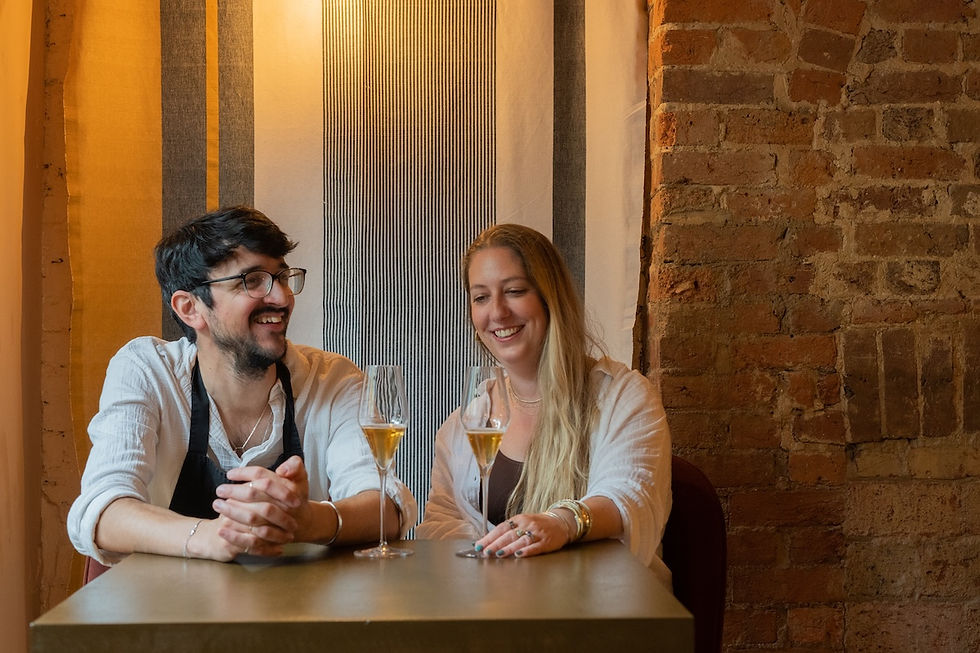
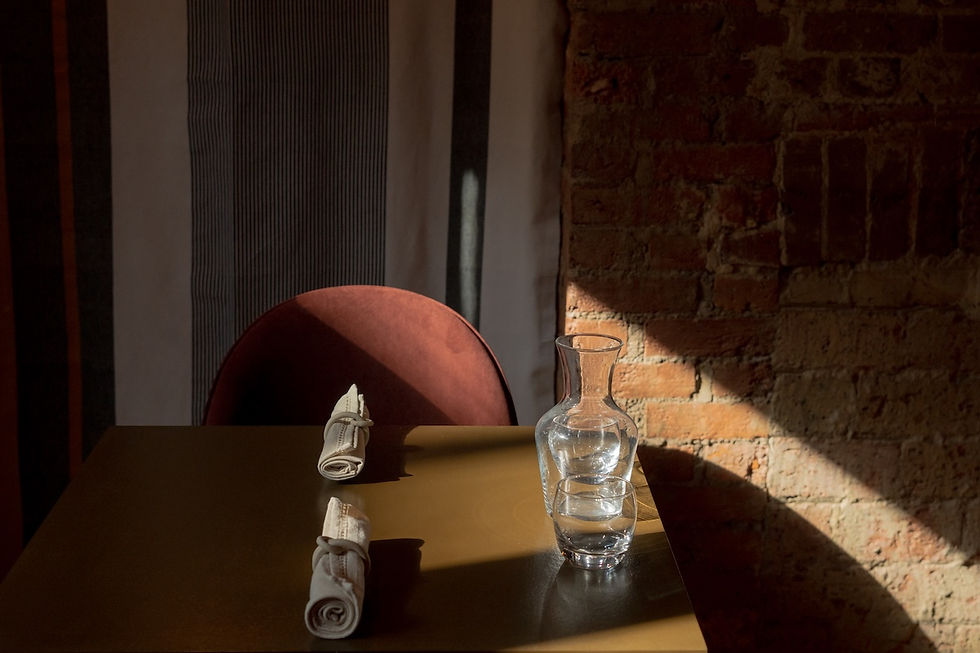
I don’t overthink it. The food is personal because it genuinely comes from my experiences, but what really makes the restaurant feel personal is the atmosphere. We’re only 10 covers, spread across five tables. I spend a lot of time talking to guests throughout the evening.
My wife designed the restaurant and our starting point wasn’t, "What should a restaurant look like?" It was, "What do we like?" Hopefully people feel as though they’re spending an evening in our dining room rather than in a formal restaurant.
What’s been really lovely is that guests have made it personal, too. We recently had our second child and when we reopened after paternity leave, people who’d never visited before were asking how the baby was doing because they’d read about it in our newsletter. Moments like that make you realise you’ve built a genuine connection with people.
What parts of your fine dining background have you kept, and what have you left behind?
The foundations remain incredibly important: Attention to detail, ingredient quality and respect for produce all come directly from those kitchens. What has changed is the way I apply them.
I’m the only chef here, so some things simply aren’t practical. I can’t have three people leaning over a plate placing individual garnishes. Food would be cold before it reached the table.
We’ve become more minimalist, not because we’re chasing a style, but because it makes sense. The challenge is finding smarter ways to build flavour and complexity without relying on endless components.
Are there dishes on the menu that feel autobiographical?
Absolutely. The dish that probably sums up the restaurant better than anything is our version of Mas Paan, literally "meat bread". It’s a Sri Lankan street food snack, but our version uses milk bread stuffed with slow-cooked pork curry that’s cooked for around five hours before being shredded and folded back through the sauce.
It was on the menu at the very first pop-up we ever did and it’s never changed. I can’t really imagine taking it off. It feels like a foundational part of what we do.
The Burgher culinary tradition remains largely absent from British restaurant culture. Do you feel a responsibility to champion it?
Not consciously. Our focus is always on making the food better rather than trying to represent something.
When we first opened, I would often ask myself whether a dish felt "Sri Lankan" enough. Now I never think that way. I think instead about whether it feels authentic to me.
That said, we’ve had a few guests from Burgher backgrounds visit and tell us how excited they are to see those traditions referenced in a restaurant. That’s been really special.
Charlotte Ivers’ review brought a lot of attention. Did the restaurant’s slower rise feel intentional?
It did. We deliberately opened quietly because I wasn’t entirely sure where things would evolve once we got going. Ironically, Charlotte’s review appeared about two-and-a-half months after opening. It was hugely positive for the restaurant because suddenly we were full, but at the same time it almost disrupted the slower organic growth we’d envisaged.
Looking back though, we probably got the best of both worlds. We had a full restaurant, but we weren’t under such intense scrutiny that we couldn’t continue experimenting and taking risks.

Why Hastings?
Honestly, we didn’t know. My wife and I moved down here without any immediate plans to open a restaurant. I was working as a private chef and thought we’d spend a year or two getting to know the area first.
Then, two weeks after moving, we walked past the building we’re now in. We viewed it, put in an offer a couple of days later and suddenly we had a restaurant. Dangerously little market research was involved!
What we did know was that Hastings had a strong independent food culture and that there wasn’t really anything occupying the space we wanted to be in. We weren’t competing directly with anyone else, which felt important.
What has surprised you most about the first year?
The number of local regulars. We assumed we’d be a destination restaurant relying heavily on visitors travelling from London. Instead, our bread and butter is local customers who’ve been seven or eight times in a year.
That’s fantastic, but it also creates pressure because I know exactly who’s sitting in the dining room and what they’ve already eaten. It pushes me to keep changing and improving things.
What does cooking for just 10 guests allow you to do?
It creates accountability. Every ingredient, every sauce, every garnish has been prepared by me, cooked by me and plated by me. There is nowhere to hide.
I think that comes from my private-chef background. The responsibility sits entirely with you and I quite enjoy that.

How do you know when a dish is finished?
These days, it’s all about flavour. I used to question whether something needed more obvious references to my heritage. Now I don’t think that way. Once I have an idea, the only thing that matters is whether it tastes great.
Was your palate shaped more by family food memories or professional kitchens?
Family food memories, without question. Professional kitchens taught me technique, discipline and how to taste properly. But the things I’m actually looking for when I eat – comfort, balance, excitement – all come from family experiences around food.
Looking back, has your vision changed?
Not really. We wanted the restaurant to feel warm, welcoming and relaxed while remaining ambitious with the food. That’s still exactly what we’re trying to achieve.
The biggest lesson has probably been the importance of suppliers. Finding people who understand what you’re trying to do and are willing to work with a tiny restaurant ordering tiny quantities is absolutely vital.
Beyond that, it’s about incremental improvement. I love Thomas Keller’s idea of making one small thing better every day. Even if a dish has been on the menu for months, I’ll still finish service and make notes about what could be improved tomorrow.


