
Legacy Starts at Home: A conversation with Chef / Owner Daniel Rogan, AO

For Daniel Rogan, AO has always been about more than putting ambitious food on the plate. Named after his children, the Southampton restaurant is a deeply personal investment in family, home and a place he once had to leave behind to learn his trade.
Now, following a major refurbishment that brings the kitchen into the dining room, Rogan is entering a more confident chapter. He talks to The Knife about building his own legacy, finding a culinary identity beyond one of British food’s most famous surnames, the lessons he took from Marcus Wareing, and why he wants AO to help change the way people think about dining in Southampton.

AO by Daniel Rogan is named after your children, making this perhaps your most personal project yet. Has becoming a father changed the way you think about hospitality or the kind of legacy you want to build through your cooking?
Yes absolutely, I had kids before opening AO and I wanted to create AO to build their legacy. I do what I do for my children, this restaurant is to set up our family and to help their future. It’s their initials over the door because it’s their legacy and future I’m building.
You've described this refurbishment as a new chapter rather than simply a relaunch. Beyond the new look, what has fundamentally changed in the way you cook and the experience you want guests to leave with?
The refurbishment has a lot more of my identity in it; I worked with our tradespeople to help redesign it, and it definitely feels more 'me' now which I like. Previously, the kitchen was downstairs and just the dining room was upstairs, meaning that I was quite removed from the guests. Moving the kitchen upstairs and making it open plan allows the experience to be a lot more personal, for both myself and the guests. It’s also allowed for our cooking to improve, we’ve refined everything that we do, and are constantly looking for ways to continue improving.
Your menus celebrate Hampshire's produce, but what excites you most about cooking on the South Coast that perhaps couldn't be achieved elsewhere in the UK?
What excites me about cooking on the South Coast, and specifically Southampton, is being born and raised in this city. We have a great food scene here, but AO offers something a bit different. It makes me excited about the future of Southampton and the restaurants that can follow, and the opportunities that this opens up. I had to leave Southampton at 17 in order to learn my trade, which was pretty tough at such a young age to leave my friends and family. So I’m excited about the opportunities that having more restaurants like AO in the city can create, and what that offers to those wanting to get into the industry.

How do you decide when a plate has enough on it, and more importantly, when it has too much?
Nine times out of 10 I create a new dish, and then two or three weeks later something either needs to be added or taken off. It’s usually a minor adjustment, but it can make all the difference. We’re always looking to progress in our restaurant and make the dishes as good as they can be, and so we’re constantly looking at tweaks we can make to dishes to improve them.
Your father [Simon Rogan] has shaped modern British dining more than almost anyone, but every chef eventually has to find their own voice. Was there a moment when you realised your food was unmistakably Daniel Rogan's rather than simply part of the Rogan style?
In a way I feel like I’m still finding my own style. I’m only 34 and work with the attitude of wanting to get better every day, and because of that I’d say my style is still changing a little bit. Of course, there are similarities between mine and my dad’s cooking styles, but I think it’s important for me to have a distinctive style. I use influence from everywhere I have worked, including influence from my dad, but there are definitely worldwide ingredients that I love to use that my dad wouldn’t necessarily include in his dishes.
Tasting menus often ask diners to place enormous trust in the chef. How do you build that trust course by course, especially when introducing ingredients or flavour combinations people may never have tried before?
A lot of tasting menus start subtle and then as the courses go on they get richer and pack more flavour, but I start my punchy dishes right from the start – I want every dish to be super flavourful. A comment that we hear time and time again in the restaurant – and one that really resonates with what we’re trying to achieve – is that the dishes get better and better as the tasting menu goes on. That’s exactly what we want, we want everyone’s favourite dish to be the last one they tried, this really builds the trust throughout the meal that they are going to love the next dish. And, of course, when they come back when we have changed the menus, that they will love the new dishes.

When you're developing a new dish, do you start with an ingredient, nostalgia, a season or something else?
It could be a lot of things to be honest. Seasonality is a big one as we really pride ourselves on using in-season ingredients. But also I love going abroad and trying as many good restaurants as possible and getting new ideas off the back of that. I quite often find on my flight home from holiday that I am brimming with ideas and can’t wait to put my own touch on a flavour or concept that I tried whilst away.
Has bringing the kitchen closer to the dining room changed the way you and Luke [Todd, Senior Sous Chef at AO] cook during service?
Yes, absolutely. From a practical point of view, having the kitchen upstairs next to the dining room makes it so much easier with communication with the front-of-service staff. We used to have walkie talkies to communicate with the bar area upstairs to get updates on tables and what dishes they needed to be served next! So now, being upstairs, we have a much better idea of which table needs to be served their next course, which makes it so much easier for all of us.
Do you feel any responsibility to shine a light on Southampton from a dining out perspective, and what role do you think AO can play in that?
I feel a responsibility in a way because I am from here. I am passionate about being from Southampton and I want to help mould the dining scene and inspire other chefs in the area, particularly young chefs coming through, and I want to give them a space that they can learn.
You've worked in some exceptional kitchens throughout your career. Is there one lesson you've borrowed from another chef that still influences the way every service runs at AO today?
It’s hard to think of just one lesson! In terms of service, I model a lot of how we work in the kitchen based on my time working under Marcus Wareing – the way the kitchen was run there was top notch and very structured. Honestly though, I have taken really valuable lessons from everywhere that I have worked, and use them daily.
Which course currently on the menus best captures everything AO stands for, and what makes it so important to you?
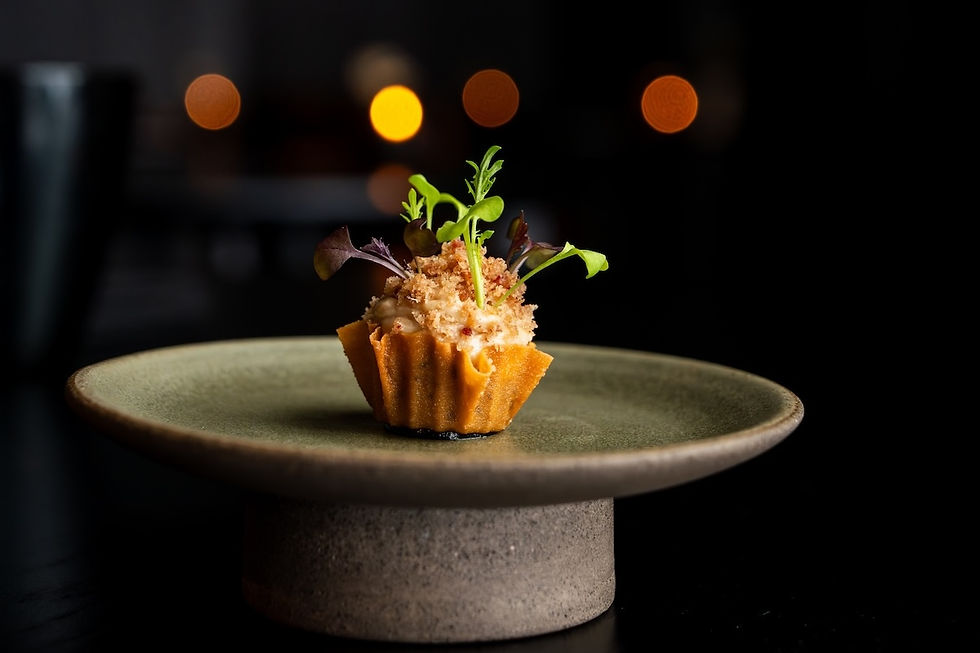
It has to be the Old Winchester Cheddar Dumpling. It’s been through so many variations, but has been on the menu since we first launched in December 2022. It’s one of our bitesize snacks and it is absolutely packed full of flavour.
And which particular ingredient from the current menus do you most enjoy preparing or cooking, and why?
I’m really enjoying making my bread at the moment! I do it every morning, and find it a really therapeutic way to start the day and I just love the way the smell fills the kitchen when it’s baking in the oven. At the moment I’m playing around with a few different types, which I really enjoy, and seeing how I can tweak and improve the recipe.


