
Warmth in the Wild: A conversation with Chef Gísli Matt, Ylja

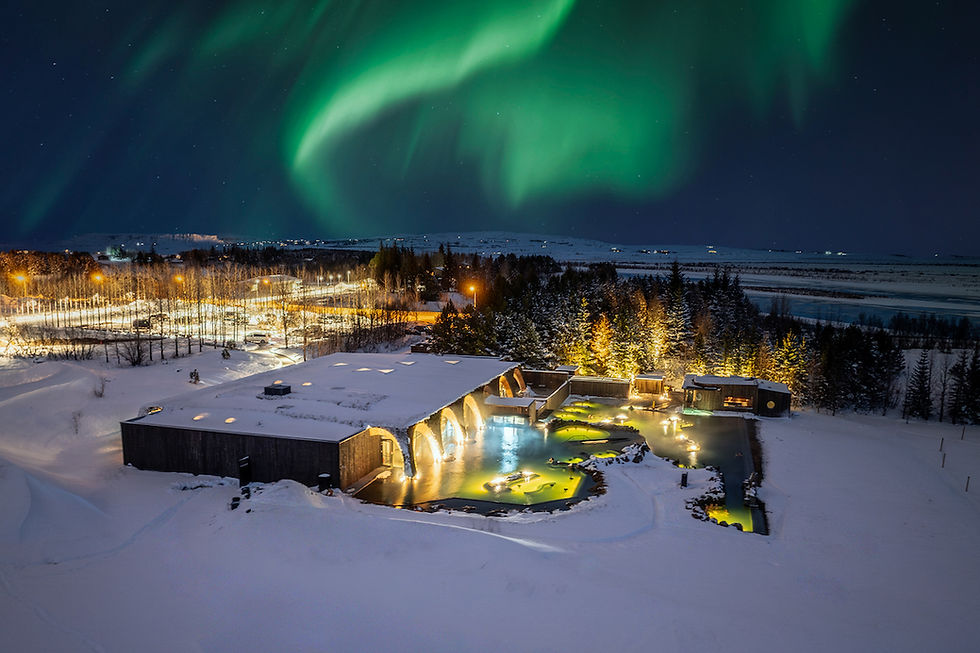
In the heart of Iceland’s Golden Circle, surrounded by geothermal greenhouses, farmstead fields, and the steaming waters of Laugarás Lagoon, Iceland’s leading chef Gísli Matt is shaping a new chapter for Nordic gastronomy. Following his era-defining work at Slippurinn in Vestmannaeyjar, Matt’s new restaurant Ylja brings a hyper-local, geothermal-driven dining philosophy to Laugarás – one of Iceland’s most fertile villages. Here, sustainability is a closed loop, ingredients travel only a few kilometres, and menus shift with the country’s dramatic seasons. From tomato carpaccio sourced from neighbouring farms to arctic char reimagined from summer light to winter darkness, Ylja blends Icelandic terroir, geothermal innovation, and emotional warmth into one of the Golden Circle’s most exciting new dining destinations.

You’ve spent more than a decade redefining Icelandic cuisine through Slippurinn. How does Ylja build upon – or perhaps break away from – the culinary philosophy you developed there?
Slippurinn was all about rediscovering where our food came from, going deep into the island's ecosystems and understanding its cycles. Also relationships with local fishermen and producers. Ylja builds on that, but it’s also freer. Here, we’re surrounded by geothermal greenhouses and farmland, not the ocean, so the focus shifts from wild to cultivated. It’s less about "redefining Icelandic food" and more about creating a living system that makes sense for this exact place.
Laugarás is known for its geothermal greenhouses and small-scale farming. How has this unique ecosystem influenced the ingredients and techniques you’ve chosen for Ylja’s menu?
The geothermal energy here is incredible, it shapes everything. We get vegetables year-round that in most of Iceland would be impossible without imports. That means more fresh herbs, greens, tomatoes, even citrus elements grown locally. It also influences the way we cook; we use geothermal heat and smoke from the earth itself in some preparations. Laugarás and the area around us changes how we think about ingredients entirely.
The restaurant’s name, Ylja, means 'warmth'. How does that concept translate onto the plate, both in terms of flavour and the emotional experience you want diners to feel?
Ylja means "to warm," and that’s really what we want people to feel – warmth in every sense. The food is meant to nourish, not just impress. It’s about generosity, closeness, and care. Even in the finer dishes, there’s this underlying comfort – nothing cold or distant. You should feel that same warmth you get when you step through our doors.
Hyper-local sourcing is central to Ylja. What have been the biggest surprises or challenges of relying almost entirely on producers within Laugarás village?
The biggest surprise is how much you actually can get within a few kilometres when you take the time to ask and build relationships. The challenge is patience, things don’t always come on demand. Sometimes we have to adapt the menu depending on the produce we can get. But that’s part of the beauty, it forces us to grow great relationships.
From dulse seaweed to pearl barley and arctic char, the menu reads like a love letter to Icelandic nature. Which ingredient or dish best captures the spirit of this new project for you?
The first dish that comes to mind now is our tomato carpaccio. We source tomatoes from three different farms around us and serve it very simply with fresh cheese produced in a nearby town, with a dressing made from the fermented off-cuts of the tomatoes and herbs from Ártangi farm. A very simple and humble dish but full of character, it captures what this project is about.
You’ve spoken about "true partnership with nature". In practical terms, how does that principle guide everything from menu planning to waste reduction in Ylja’s kitchen?
It’s about closing the loop. We don’t treat sustainability as a marketing line, it’s just how the kitchen functions. Every byproduct has a next use: whey from our cheese becomes base for sauces; trimmings from vegetables feed ferments or soups; leftover bread turns into miso. We design the menu around what nature gives, not what we want to force it to give. But we're just dipping our toes in what will be, we're still adapting and learning.

Daytime at Ylja offers a casual, nourishing style of dining, while evenings turn to fine dining artistry. How do you maintain a consistent identity between these two experiences?
The identity is the same – it’s all Ylja. Daytime is about nourishment and accessibility; you can come from the lagoon, have soup, good bread, maybe a glass of wine. Evenings slow down – more storytelling, more technique – but the core is the same: warmth, produce, Icelandic nature. We don’t change character, just tempo.
Iceland’s seasons are famously dramatic. How do you plan for such radical shifts in available produce, and how might a dish evolve between winter darkness and the midnight sun?
We plan ahead, but honestly, it’s about staying flexible. In summer we might have fresh herbs, flowers, and greens from the greenhouses; in winter, we lean on roots, ferments, and smoked or preserved flavours. A dish might start with char and fresh herbs in July, and evolve into char with fermented cabbage and mushroom broth by December. It’s the same idea, just dressed for the season.
The cocktails at Ylja seem almost like liquid extensions of the landscape. How closely did you collaborate with the beverage team to ensure the drinks tell the same story as your food?
Very closely. Martin, who leads the beverage program, is part of the creative process from the start. We taste, smell and build ideas together. The cocktails aren’t just drinks, they continue the same narrative, using local herbs, geothermal salt, even vegetables. It should feel like the same story whether you’re eating or drinking.

The restaurant operates within a geothermal lagoon – a completely immersive setting. How do you design a menu that complements the rhythm of bathing, relaxation, and nature around it?
We think about rhythm; people come here to relax, to breathe. The menu follows that pace. It’s lighter, slower and full of flavour, but not overwhelming. The lagoon environment also inspires how we present food: steam, minerals, warmth; it’s all part of the same sensory experience. It’s not about competing with the lagoon, it’s about syncing with it.
You’re opening just as Northern Lights season begins. If you could describe the Ylja dining experience in the language of the Aurora, what emotions or sensations would it evoke?
The Aurora is unpredictable and alive – just like what we want dining at Ylja to feel like.
Finally, after years of putting Vestmannaeyjar on the map, you’re now spotlighting Laugarás. What do you hope this project will represent for the next chapter of Icelandic gastronomy?
This project is about the next chapter. Not repeating what we did in Vestmannaeyjar, but proving that Icelandic gastronomy can root itself anywhere in the country if the mindset is right. I hope Ylja shows that food, nature and people can truly coexist – not as a slogan, but as a daily practice. We're just starting…


